When an existing water treatment system reaches the end of its service life, replacing it is rarely as simple as installing new equipment. Space is often limited, operational requirements have evolved and the replacement system needs to work seamlessly within the existing infrastructure.
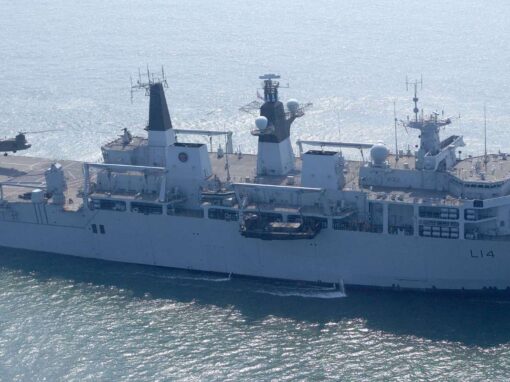
This was the challenge facing the ANZAC Remediation Program. As part of a major upgrade programme, SaltSep was approached to develop a new fresh water generation system to replace the existing Reverse Osmosis (RO) plants on board.
The solution needed to deliver greater capacity, withstand the demands of seawater operation and fit within the same footprint as the outgoing equipment. It also needed to be straightforward for operators to maintain and reliable enough for long-term service.
A Bigger Output Without Increasing the Footprint
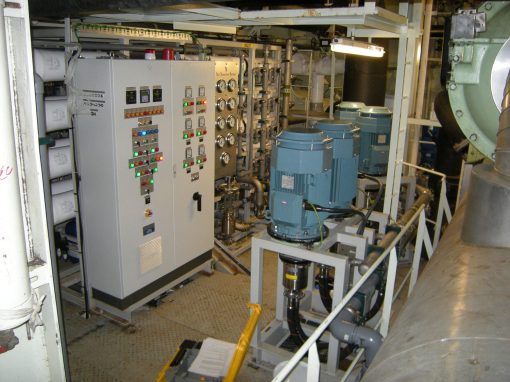
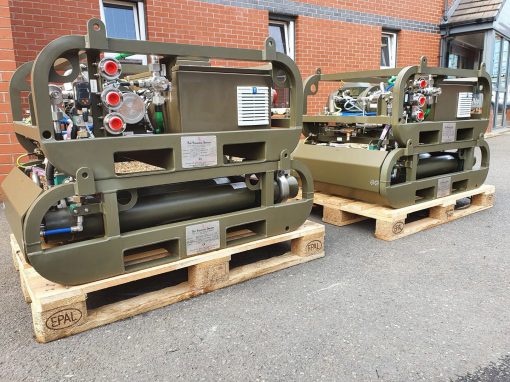
The existing system was to be replaced with a pair of duty/standby RO plants, each capable of producing 35 m³/day (1.46 m³/h) of fresh water.
The new plants were designed to provide 40% higher output while remaining within the existing space envelope.
One of the key challenges was the seawater intake. Because the seawater is treated with chlorine from an electrochlorinator, the RO system needed to incorporate seawater carbon filtration to remove the chlorine before it reached the membranes.
This meant the design had to balance increased capacity with the practical constraints of an existing installation.
Simplifying the Design for Long-Term Reliability
To maximise the available space for the increased-capacity RO system, the team took a different approach to the conventional design.
A CIP (Clean-in-Place) system was not included, as the additional equipment would account for around 20% of the plant’s piping, valves and instrumentation. Removing it allowed the available space to be used more effectively while also simplifying the overall system.
However, this meant an alternative approach was needed to protect the RO membranes.
Instead of a conventional RO permeate shutdown rinse, the plants were designed with an automatic 24-hour fresh water flush. The fresh water is dechlorinated through the carbon filter before being used to flush the membranes.
This approach had already been proven historically to help extend RO membrane life, while also reducing the complexity of the operating routine.
Designed With Maintenance in Mind
Reliability was only part of the challenge. The new system also needed to make future maintenance as straightforward as possible.
To support this, selected components were designed to be removable, giving engineers easier access to equipment when servicing or replacing parts.
This practical approach to design helped ensure that the new RO plants would not only meet the required performance specifications but would also be easier to operate and maintain throughout their service life.
From Prototype to 16 Identical RO Plants
Before committing to a full production run, SaltSep developed the design and manufactured a prototype RO plant to demonstrate that the proposed solution would perform as required.
The prototype was successfully tested, giving the customer confidence in the design and its ability to meet the operational requirements of the programme.
Following the successful testing, SaltSep was awarded the contract to manufacture and supply 16 identical RO plants.
The project demonstrates how effective water treatment remediation is about more than simply replacing ageing equipment. By combining increased capacity, a space-conscious design and simplified maintenance requirements, the new RO plants provided a practical solution designed around the realities of an existing installation.